How to Choose an IoT Weather Station for Coastal, Desert, and Mountain Climates
Two identical weather stations can leave the same factory and live completely different lives. One sits on a foggy pier, breathing salt spray every night. Another bakes on a desert pad where summer surface temperatures climb well past anything the lab tested. A third spends five months a year wrapped in rime ice on an exposed ridge, reporting nothing because snow has buried its solar panel. If you are specifying an IoT weather station, the climate at the install site is not background context. It is the requirement. Read the datasheet with your own site in mind.
Identify the Climate's Primary Antagonist
Every environment has one failure mode that arrives first, and it usually takes the whole station down with it. Coastal sites are attacked by chloride. Salt fog corrodes connectors, seizes bearings, and leaves a conductive film on circuit boards. Desert sites are attacked by abrasion and ultraviolet light: fine dust works into seals, scours optical surfaces, and turns a solar panel into a cloudy window within a season. Alpine and mountain sites are attacked by water in its solid form, plus lightning on exposed ridges and radio shadows in steep valleys.
Before you compare models, write down the three things most likely to kill a station at your site. Then check whether each candidate survives them. A unit with an excellent dashboard and a plastic anemometer bearing is useless on a breakwater.
Sensor Ruggedness, Element by Element
Most buyer's guides treat a weather station as one product. It is really five or six sensors sharing a pole, and each has its own weak point.
- Wind. Mechanical cup-and-vane sensors have bearings, and bearings are where salt and grit go to work. Ultrasonic anemometers remove the moving parts but can be misled by heavy rain, ice, and salt crust bridging the transducers. On a windy coastal site, plan on annual bearing inspection either way.
- Temperature and humidity. Look for a radiation shield that can be aspirated, because passive shields read high in still, sunny conditions. Capacitive humidity elements drift after prolonged exposure to salt aerosol and dust; field-replaceable elements save you a full unit swap.
- Precipitation. Tipping buckets lose accuracy in high winds and can clog after long dry spells when dust and sand collect in the funnel. In snow country they freeze solid unless heated, which raises the power bill. Weighing gauges handle frozen precipitation better but demand more energy and more maintenance.
- Enclosure and connectors. IP66 is a sensible floor for exposed installations; IP67 buys margin where driving rain and wave splash are real. Silicone gaskets tolerate temperature extremes better than some cheaper elastomers.
- Small parts. Stainless fasteners, UV-stabilised cable jackets, and drip loops matter more than the marketing copy suggests. Cheap cable ties and unshielded connectors are the first things to fail.
Power: Size for the Worst Month, Not the Average
Solar sizing is where most remote deployments get into trouble. Coastal fog can cut panel output for days on end. Desert dust films a panel so gradually that nobody notices until the battery is flat. Mountain snow buries the array entirely. Design around your worst realistic month, then add margin.
Battery chemistry deserves the same scrutiny. Lithium iron phosphate packs should not be charged below freezing without a heating circuit, which is exactly the condition a mountain site provides every winter night. Lead-acid tolerates cold charging better but delivers less usable capacity as temperatures drop. Primary lithium cells handle deep cold well and are a reasonable choice when you only visit the site once a year. In very hot desert enclosures, keep batteries out of direct sun and check the manufacturer's upper temperature limit for storage and discharge.
Run the energy budget yourself: sample interval, transmit interval, heater duty cycle, and sleep current. If the numbers only work in July, they do not work.
Connectivity That Degrades Gracefully
LoRaWAN suits a cluster of sensors within a few kilometres of a gateway you control. Narrowband cellular and LTE-M are the practical choice where a public network reaches the site and you want simple data delivery. Wi-Fi is fine in a lab or a yard, unhelpful on a ridge.
In every case, ask what the device does when the link drops. A station that buffers readings and forwards them when the network returns is worth far more than one that discards data during an outage. Coastal installs should use sealed antennas and corrosion-resistant mounts rather than an exposed connector you will be cleaning every spring. Mountain sites benefit from higher-gain antennas, careful gateway placement with genuine line of sight, and conservative retry behaviour so the radio does not drain the battery chasing a signal that is not there.
Mounting, Siting, and Service Access
Wind measurements are conventionally taken at around ten metres over open ground. Most real sites cannot manage that, and that is acceptable as long as you record the actual height and surroundings, because the data is only interpretable with that context. Keep the mast rigid; a wobbling pole produces noisy wind and rain readings.
On exposed ridges, fit a proper grounding rod and surge protection on sensor and radio lines. On any site, ask how a technician will reach the sensor head. If servicing requires a crane or a climbing harness, expect fewer visits and plan for longer battery life and more robust sensors. Bird spikes and a spare set of desiccant sachets are inexpensive insurance. If your deployment informs safety decisions, check local requirements for the measurements you publish; for anything regulatory, consult a qualified professional.
A Short, Practical Decision Path
- List the three conditions most likely to disable equipment at your site.
- Confirm the enclosure rating, fastener material, and gasket type against those conditions.
- Size solar and battery capacity for the worst month, and verify the battery's charging temperature range.
- Choose a network the site can actually reach, and confirm the station buffers data during outages.
- Check that sensors are field-replaceable and that diagnostics or remote firmware updates exist.
- Plan the service visit before you plan the dashboard.
Buy for the second-worst day your site will produce, not the pleasant one you are imagining. A station that keeps reporting through a salt-laden gale or a dust storm is the one whose data you will still trust two years from now.
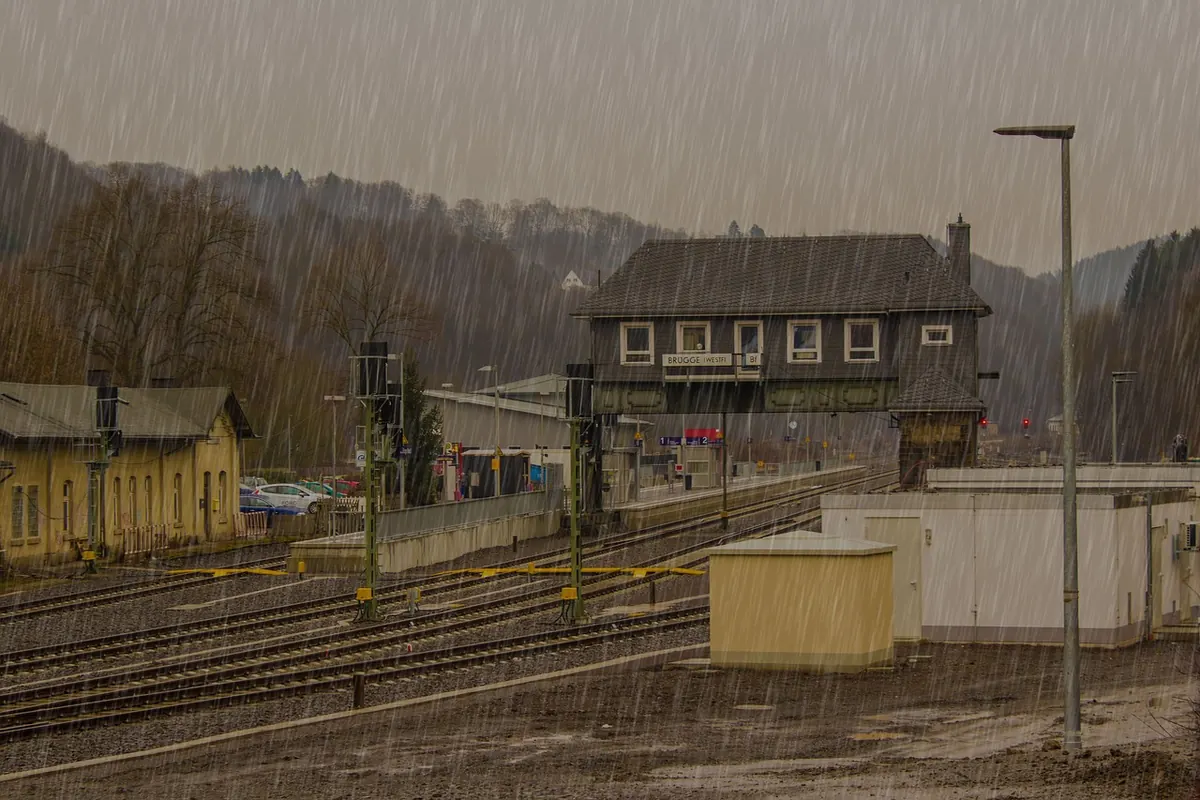
Photo: dagmarschmidt / Pixabay